The Brake Fluid Service Most Drivers Forget About
Brake fluid quietly degrades over time, and ignoring it can turn a cheap flush into an expensive brake system repair.
Most drivers can tell you when their oil was last changed, but ask about brake fluid and you'll usually get a shrug. That gap in attention is exactly why brake system repairs catch so many people off guard.
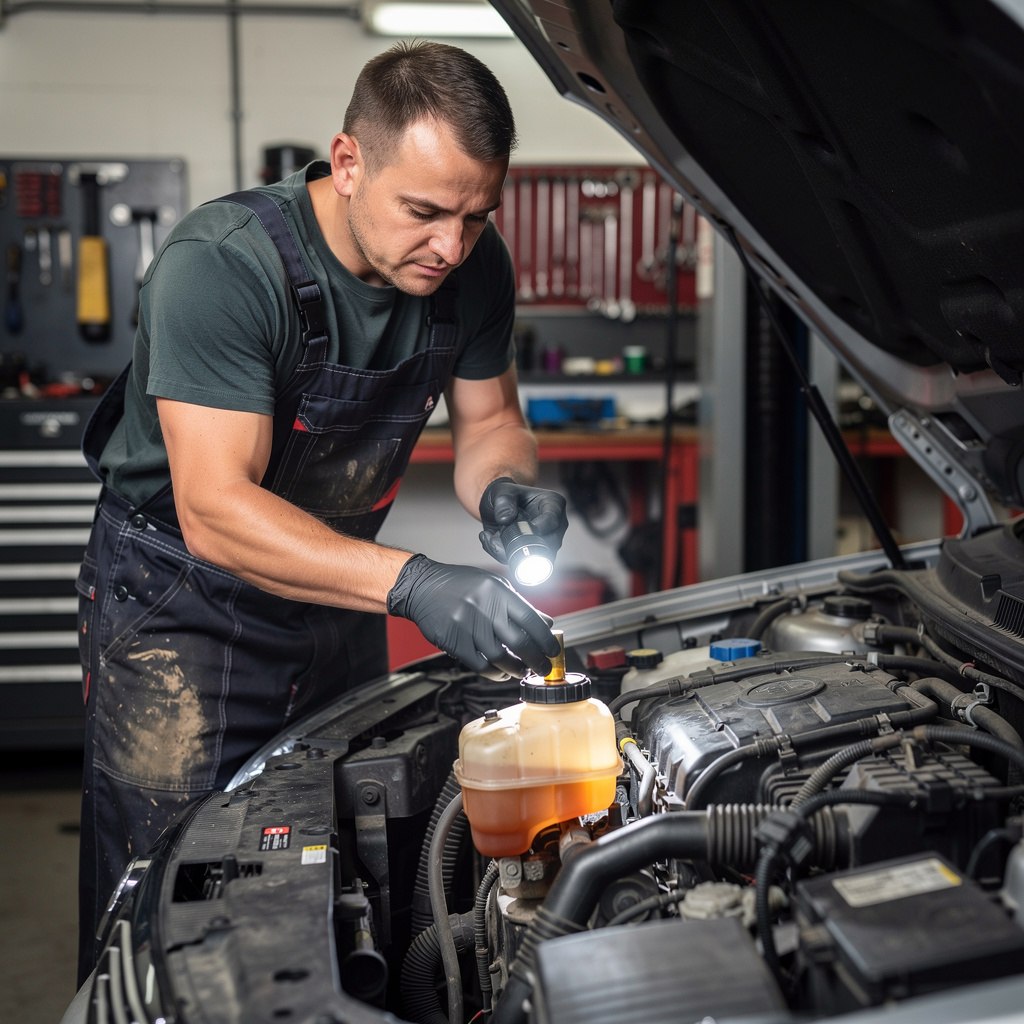
Unlike engine oil, brake fluid doesn't get dirty from combustion byproducts. It degrades because it's hygroscopic, meaning it absorbs moisture from the air through microscopic pores in rubber hoses and seals over time. That moisture lowers the fluid's boiling point and starts corroding metal components from the inside.
Why Brake Fluid Breaks Down Over Time
Fresh brake fluid has a boiling point well above 400°F, which matters because hard braking generates intense heat inside the calipers. Once moisture content climbs past 3-4%, that boiling point can drop by 100 degrees or more.
When fluid boils under heavy braking, it creates vapor bubbles in the lines. Bubbles compress instead of transmitting force, which is why some drivers describe a spongy or sinking brake pedal after a long downhill drive or repeated hard stops.
Moisture also reacts with the metal in brake lines, calipers, and the master cylinder. Rust particles circulate through the system and wear out seals faster, turning a fluid flush into a much bigger repair.
Signs Your Brake Fluid Needs Attention
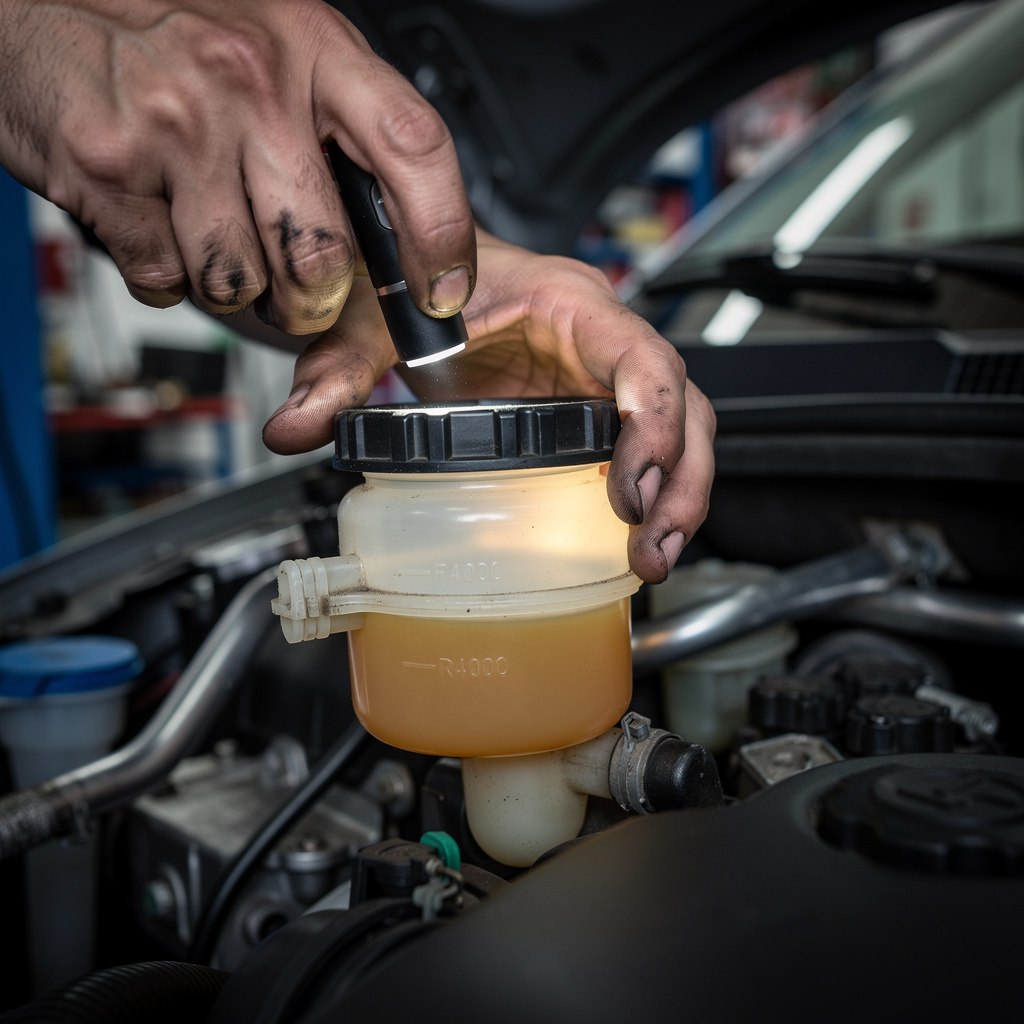
A soft or spongy pedal is the most common complaint, but it's not the only clue. Discolored fluid is another: fresh brake fluid looks clear to light amber, while contaminated fluid turns brown or almost black.
Some cars display a brake warning light tied to fluid level sensors, but low level often points to worn pads rather than fluid age. The only reliable way to check moisture content is with a test strip or electronic tester that measures water percentage directly.
A burning smell after repeated braking, especially on mountain roads, can also signal fluid nearing its boiling point. That's not something to wait out until the next scheduled service.
How Often Should You Flush It
Many manufacturers recommend a brake fluid flush every two years or roughly 30,000 miles, though this varies by model and climate. Cars driven in humid regions or used for frequent towing tend to accumulate moisture faster and may need more frequent checks.
A flush replaces all the fluid in the system, not just what's in the reservoir. Technicians typically cycle fluid through each wheel using a pressure bleeder or vacuum pump, which takes 30-45 minutes for most vehicles.
Skipping the schedule doesn't always cause immediate problems, which is exactly why it gets overlooked. The damage builds quietly until a caliper seizes or a pedal goes soft at the worst possible moment.
What Happens If You Skip This Service
Corroded brake lines are one of the more expensive outcomes of neglected fluid. Replacing a single rusted line can run several hundred dollars in parts and labor, and if corrosion has spread, a shop may recommend replacing multiple lines at once.
Calipers are another common casualty. Moisture-related corrosion inside the caliper bore can cause pistons to stick, leading to uneven pad wear, pulling to one side, or a caliper that needs full replacement instead of a simple rebuild.
Master cylinders also suffer from internal corrosion, and a failing master cylinder often means a complete pedal failure rather than a gradual warning. That's a repair nobody wants to discover on the highway.
DIY Check vs Professional Flush
Checking fluid color and level takes two minutes and requires nothing more than popping the hood and looking at the reservoir. A flashlight helps you judge whether the fluid looks closer to apple juice or motor oil.
Testing actual moisture content requires a test strip, which costs under $15 at most auto parts stores, or a digital tester that gives a more precise percentage reading. Either tool takes the guesswork out of deciding whether a flush is overdue.
The flush itself is worth leaving to a shop unless you're comfortable bleeding brakes correctly, since trapped air in the lines causes the same spongy pedal problem the flush is meant to fix. A proper bleed sequence, done wheel by wheel in the right order, matters as much as the fresh fluid itself.
A brake fluid flush usually costs less than $150 at an independent shop, which is a small price next to a caliper or brake line replacement. Treating it as routine maintenance rather than an afterthought keeps braking performance predictable exactly when it matters most.