OEM or Aftermarket: Choosing Parts for Your Mercedes
A practical comparison of OEM and aftermarket parts for Mercedes-Benz owners, covering cost, quality, and where each option makes sense.
Every Mercedes owner eventually faces the same fork in the road: the dealer wants $180 for a control arm, and a parts store down the street sells one for $65. The parts look almost identical. The question is whether that difference in price hides a difference in quality, and whether it matters for your specific car.
What OEM Actually Means
OEM stands for Original Equipment Manufacturer, but on a Mercedes this gets confusing fast. Mercedes-Benz doesn't manufacture most of its own components — companies like Bosch, Continental, Brembo, and Sachs make the parts and supply them under contract.
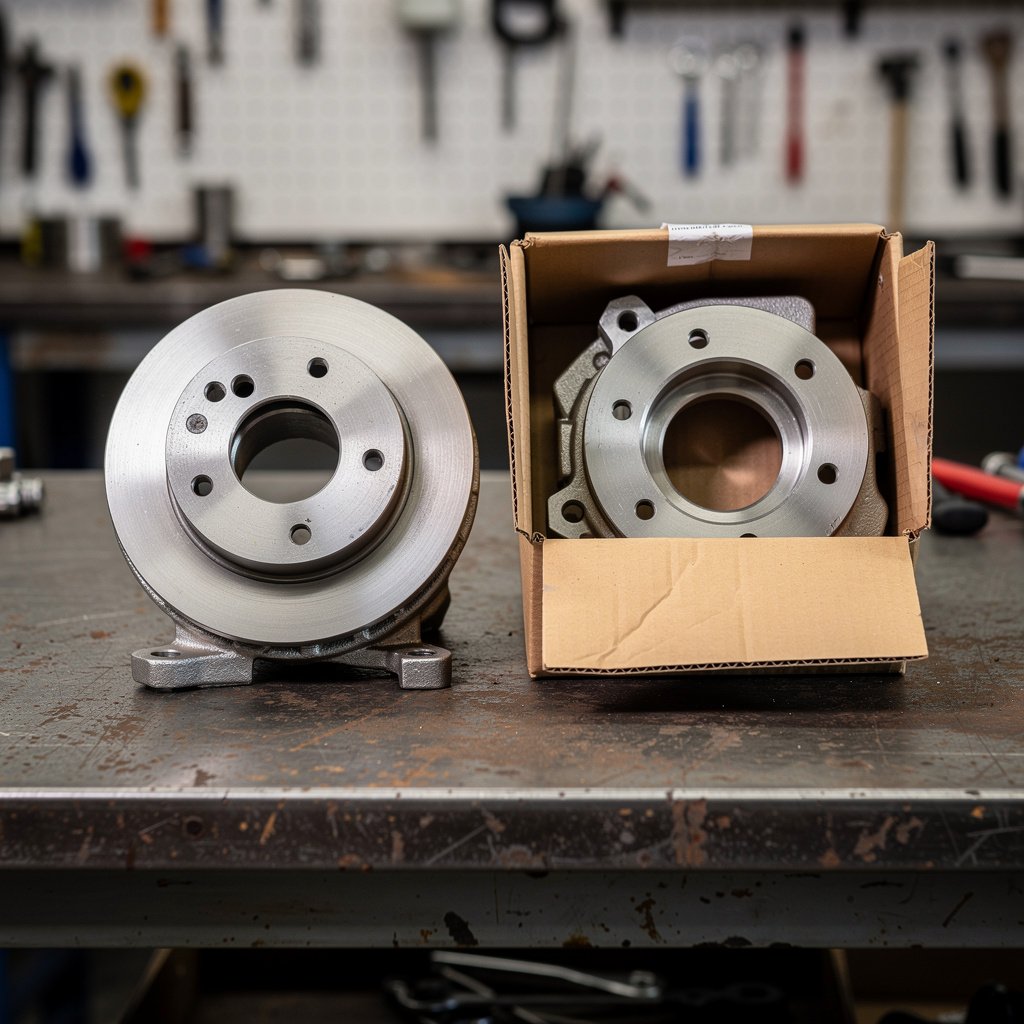
When you buy "genuine" Mercedes parts through a dealer, you're often buying the same Bosch alternator or Sachs clutch, just repackaged with a Mercedes part number and a markup of 30-60%. The box says Mercedes-Benz, but the factory that made the part is the same one selling identical units to independent shops.
This matters because it splits the aftermarket into two very different categories: parts made by the same supplier without the Mercedes box, and parts made by unrelated third-party manufacturers.
Same Factory, Different Box
For a lot of common wear items — brake pads, rotors, sensors, filters — you can buy the exact same part from the original supplier at a fraction of the dealer price. A Bosch oxygen sensor for a W205 C-Class costs around $45-60 from an auto parts retailer, versus $110-140 through a Mercedes dealer for the same physical component.
ATE and Brembo brake components, Sachs suspension parts, and Behr cooling system parts fall into this category on most Mercedes models. Checking the part number stamped on the component (not just the box) usually reveals the actual manufacturer.
The catch is packaging and batch consistency. Dealer-boxed parts sometimes come from a tighter quality control tier reserved for OEM contracts, though this varies by component and isn't something you can verify without lab equipment.
Where True Aftermarket Gets Risky
The real gap in quality shows up with generic aftermarket brands that have no relationship to the original supplier. Cheap control arms, bushings, and electronic modules from unfamiliar brands can fail within months on a Mercedes, especially on air suspension components (Arnott, for instance, makes reliable aftermarket air struts, but many no-name alternatives don't hold up past 20,000 miles).
Electronics are the highest-risk category. A generic aftermarket window regulator motor or a mass air flow sensor might work initially, then throw intermittent fault codes that take hours of diagnostic time to trace back to the part itself. Mercedes control units are sensitive to voltage and resistance tolerances that budget parts sometimes miss.
Suspension components on models with AIRMATIC or ABC (Active Body Control) are another weak spot. These systems run on tight pressure and sensor tolerances, and a poorly made replacement air strut can trigger suspension warning lights or uneven ride height within weeks.
Where Aftermarket Makes Sense
Routine maintenance items are the safest place to save money. Oil filters, cabin air filters, spark plugs, and brake pads from reputable brands like Mann, Bosch, or Textar perform identically to dealer parts because, again, they often are the dealer parts.
Body panels and trim pieces are another reasonable area for aftermarket savings, since fit and finish differences are usually cosmetic rather than functional. A replacement bumper cover or mirror housing from a reputable aftermarket manufacturer can save 40-50% with minimal risk.
For engine internals, transmission components, and anything tied to safety systems (ABS modules, airbag components, brake master cylinders), sticking with OEM or OEM-supplier parts is worth the extra cost. The labor cost of redoing a repair after a cheap part fails usually erases any savings.
A Practical Way to Decide
Before buying any part, look up the actual manufacturer stamped on it, not just the retail packaging. A quick search of that manufacturer's name plus your Mercedes model tells you whether it's a known OEM supplier or an unrelated aftermarket brand.
For a W213 E-Class owner replacing a thermostat housing, for example, checking whether it's made by Behr or Rein (both OEM suppliers) versus a generic import brand takes five minutes and can prevent a coolant leak six months later.
Keep a simple rule in mind: mechanical wear items with no electronics are lower risk for aftermarket substitution, while anything involving sensors, modules, or safety systems benefits from staying closer to the original supplier chain, even if it costs more upfront.